
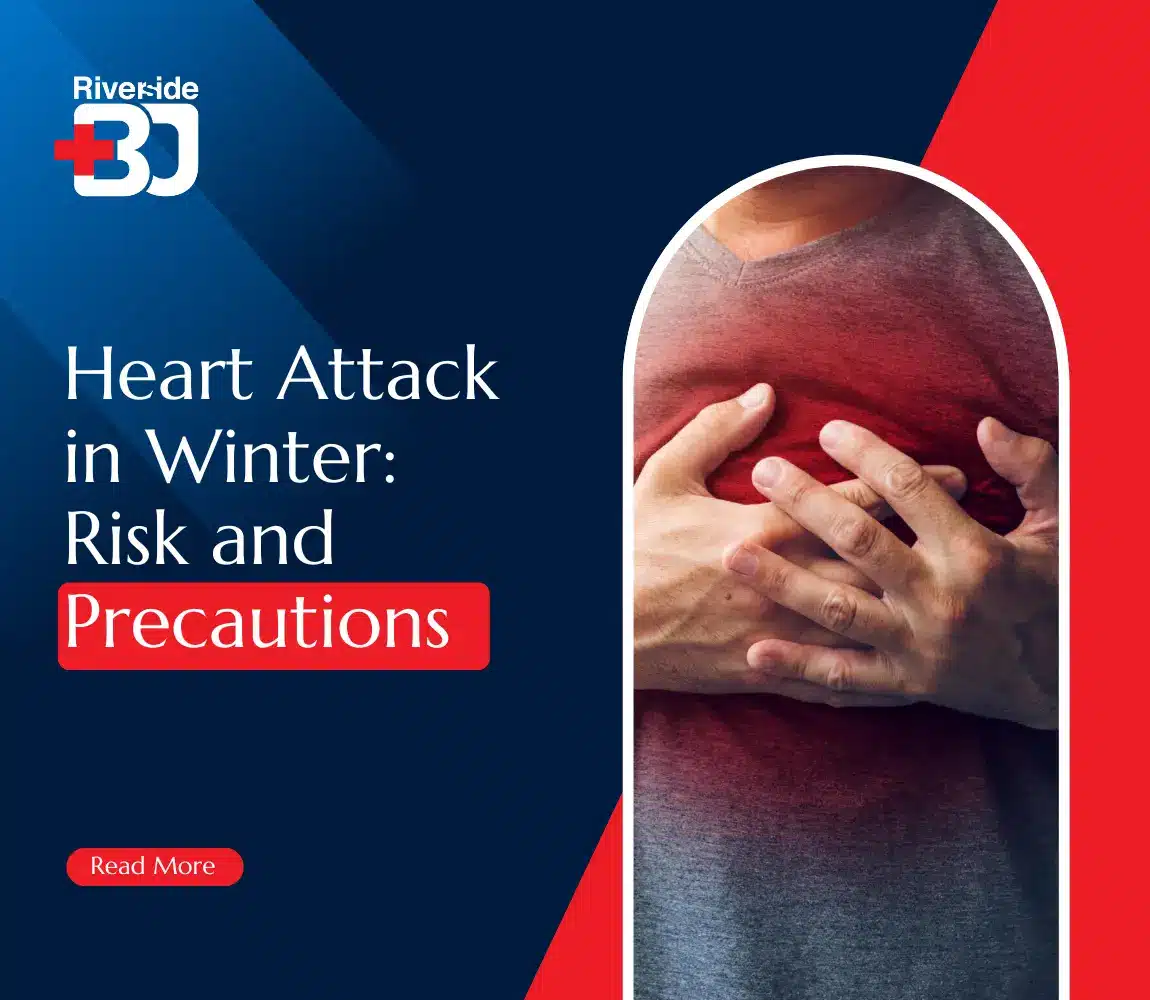
Cold weather might feel refreshing, but did you know the risk of a heart attack rises sharply in winter as temperatures drop?
Your heart works harder in the cold, making winter and heart attacks a dangerous combination. It is especially so for those with existing heart conditions.
Chilly air can trigger chest pain in winter, raise blood pressure, and cause sudden stress on your cardiovascular system. That’s why so many ask, ”How do you take care of your heart in cold weather?”
The answer lies in awareness and action. With the right winter precautions, you can protect your heart this season. In this blog, let’s explore the risks and how to reduce them effectively.

Why Does Winter Increase The Risk Of Heart Attack?
Cold weather affects the body in many ways that people don’t realise, especially your heart. During winter, the blood vessels constrict and cause the heart to pump harder. This added pressure can increase the risk of a heart attack in winter, particularly among vulnerable individuals.
Moreover, exposure to cold may lead to increased blood clotting. This raises the chances of blocked arteries and a heart attack in winter. Not only that, but people also tend to be less active and eat heavier meals. This adds to the strain.
The heart has to work harder just to maintain body heat. As a result, it can trigger symptoms like chest pain in winter or shortness of breath. These are the early signs of heart distress.
Some major risk factors of heart attack in winter include:
- Sudden exposure to cold while doing strenuous activities, like brisk walking.
- A drop in physical activity levels, often due to shorter days and cold conditions.
- An increase in respiratory infections places additional stress on the cardiovascular system.
- Higher rates of dehydration can thicken the blood and affect heart performance.
As per the Heart Organisation, a 2023 study found that heart attack rates rise by 37% in the colder months.
Conditions such as high blood pressure and high cholesterol can worsen in the cold weather. If left unchecked, these could lead to a heart attack in winter without warning.
Therefore, understanding how winter and heart attacks are linked helps us take preventive steps early. From a cardiology perspective, even small temperature drops can be harmful.
So, before winter takes a toll, it’s important to know the risks and take smart precautions to protect your heart.
Recognising Symptoms of Heart Attack in Winter
Spotting a heart attack early in winter is crucial. Cold weather and seasonal illnesses often hide symptoms. Recognising warning signs like chest pain in winter ensures faster care and could save your life.
Some of the common symptoms include:
1) Chest Pain or Discomfort
One of the most common symptoms of a heart attack in winter is chest pain or tightness. It may feel like pressure, squeezing, or burning in the centre or left side of the chest. Although symptoms can differ, chest discomfort lasting more than a few minutes is a red flag.
Cold temperatures cause arteries to narrow, increasing the strain on your heart. As a result, pain may be more intense during physical activity or even rest. In some cases, it can also radiate to other parts of the body.
2) Shortness of Breath
Even in the absence of chest pain, shortness of breath may indicate a heart attack in winter. You might notice difficulty breathing while walking in the cold or climbing stairs.
This can occur when the heart fails to pump efficiently. Therefore, it causes fluid to build up in the lungs. Frigid air can tighten airways and make breathing harder.
If breathlessness happens suddenly and without exertion, seek medical help immediately.
3) Pain Or Discomfort In The Arms, Back, Neck, Jaw, Or Stomach
Symptoms of a heart attack in winter are often misunderstood. Pain can spread to the arms, back, neck, jaw, or stomach.
In fact, women are more likely to experience these less obvious signs, especially during winter and heart attacks. Emotional stress and cold-induced constrictions also worsen the pain in these regions.
Some of the pain-related symptoms of a heart attack in winter are:
- Discomfort in the left arm or shoulder.
- Tightness in the jaw that increases with physical exertion.
- An ache or pressure in the upper back.
According to the British Heart Foundation, over 80,000 people are hospitalised due to heart attacks each year in the UK. Many of these cases occur during the colder months, highlighting the strong link between winter and heart attacks.
India saw some 32,457 deaths due to heart attacks in 2022. The corresponding number was 28,413 in 2021 and 28,579 in 2020.
4) Why Immediate Action Can Make All the Difference
A delayed response during a heart attack in winter can increase damage and reduce survival rates. Therefore, don’t wait to see if the pain goes away.
If you or someone around you shows symptoms, call the emergency services without hesitation. Medical professionals are trained to act fast. Your role is to alert them early.
Along with a quick response, follow some tips for maintaining a healthy heart and consult a specialist during the colder months. So, whether it’s chest pain in winter or unexplained fatigue, act quickly. It could save a life.
Winter Precautions to Reduce Heart Attack Risk
Taking smart steps this season can help prevent a heart attack in winter and improve the overall health. Though winter feels festive, it quietly increases cardiovascular stress, especially for those already at risk.
Even daily routines like walking the dog or climbing stairs can become dangerous in the cold. Furthermore, people often underestimate how quickly the temperature can affect the blood flow and blood pressure.
Here are some key precautions to reduce the risks of a heart attack during the colder months.
- Layer up properly: Wear thermal clothing to help maintain body temperature and reduce heart strain.
- Warm up indoors: Before stepping outside, do light stretching or movement to ease blood circulation.
- Avoid sudden exertion: Shovelling snow or rushing in the cold can overload the heart.
- Watch your diet: Limit heavy, greasy meals that make your heart work harder to digest.
- Stay hydrated: Cold reduces thirst, but dehydration can thicken the blood and increase the risks to the heart.
Notably, these measures also address chest pain in winter, which often appears during simple activities. Taking winter precautions reduces emergency visits to the hospital due to cardiac episodes.
Always ask your doctor which exercise is best for the heart during the winter, especially if you’re over 50 or have a condition.
Ultimately, staying warm, staying active, and staying alert can help prevent a heart attack in the winter. Listen to your body, stay safe, and don’t wait until it’s too late.

Additional Tips for High-Risk Individuals
Managing a heart attack in winter takes extra care if you already have a heart condition. With lower temperatures affecting circulation, even small triggers can pose serious problems for high-risk individuals.
Here are some crucial tips for high-risk individuals during winter:
- Schedule regular check-ups: Let your doctor monitor changes and adjust medication if necessary.
- Avoid outdoor activities during extreme cold: Indoor exercise keeps the heart safe and active.
- Track symptoms closely: Unusual fatigue or breathlessness could be early signs of trouble.
- Stay consistent with medication: Skipping even one dose may trigger a cardiovascular episode.
Additionally, working closely with your provider ensures a plan that suits your specific health needs. They can save you from a heart attack in winter and refer you to general medicine specialists for further support.
- Managing Stress and Staying Hydrated
Chronic stress and dehydration can quietly increase the risk of a heart attack in winter.
In fact, as per The Times of India, dehydration thickens blood, raising the risk of a heart attack.
Cold weather already puts pressure on the cardiovascular system. Add anxiety, skipped meals, or less water intake, and your heart works even harder.
Ultimately, prioritising rest, relaxation, smart planning, constant monitoring, and medical guidance helps high-risk individuals stay protected in winter. Prioritising heart health means giving your body the best chance every season.
Conclusion
Winter may seem peaceful, but it silently increases your risk of a heart attack in winter. From narrowing arteries due to cold to missed symptoms like chest pain in winter, each factor makes timely awareness essential.
Whether it’s managing stress, staying hydrated, or following a personalised health plan, every step matters. Small changes today can prevent serious heart issues tomorrow.
Your heart works harder during the colder months, so make sure you care for it the right way.
Have concerns about winter and heart attacks? Let Riverside B&J Hospital’s expert cardiology team support you with trusted care and guidance. Reach out to us and take your first step towards a healthier, safer season.
FAQs
- Why is the risk of a heart attack in winter higher than in any other season?
Cold weather narrows the arteries, increasing blood pressure and strain. Hence, it makes a heart attack in winter more likely. A heart attack is more likely to happen especially during exertion, like snow shovelling or brisk walks in freezing temperatures.
- What are the early signs of a heart attack in winter that one shouldn’t ignore?
The early signs of a heart attack includes chest pain in winter, shortness of breath, or pain in the arms, jaw, neck, or stomach. Other symptoms like nausea, dizziness, or extreme fatigue in cold weather may also signal heart trouble.
- Does dehydration and stress increase the risk of a heart attack in winter?
Yes, dehydration and stress thicken blood and strain the heart, causing a heart attack. Winter heating systems dry indoor air, and holiday stress adds pressure, raising overall cardiovascular risk.
- Is it safe to exercise outdoors during winter with heart problems?
Exercise outdoors only if approved by a doctor. Start slow and stay warm. Additionally, wear layered clothing, avoid icy surfaces, and always monitor breathing and heart rate during winter workouts.
- When should I seek help if symptoms of a heart attack appear in winter?
Immediately. Delaying treatment for a heart attack in winter increases damage. Call emergency services without waiting or second-guessing. Even mild chest pain can signal something serious in cold weather.
