Coronary angiography uses contrast dye and X-ray imaging to check for blockages in the heart arteries. Let us see why the test is done, how to prepare for it, what…
Aortic valve disease once meant a major open-heart surgery with a long hospital stay and extended recovery. Today, TAVR, also called TAVI, allows doctors to replace a damaged aortic valve…
An exercise stress test, also called a treadmill test or TMT, is one of the most commonly performed cardiac tests in India. It helps doctors understand how your heart performs…
Angioplasty opens blocked heart arteries using a balloon catheter and stent without open-heart surgery. This guide covers the types of angioplasties, including IVUS and OCT-guided procedures, exactly what happens during…
Secundum atrial septal defect is a common congenital heart condition where there’s a small opening in the wall between the heart’s upper chambers, allowing blood to flow where it shouldn’t.…
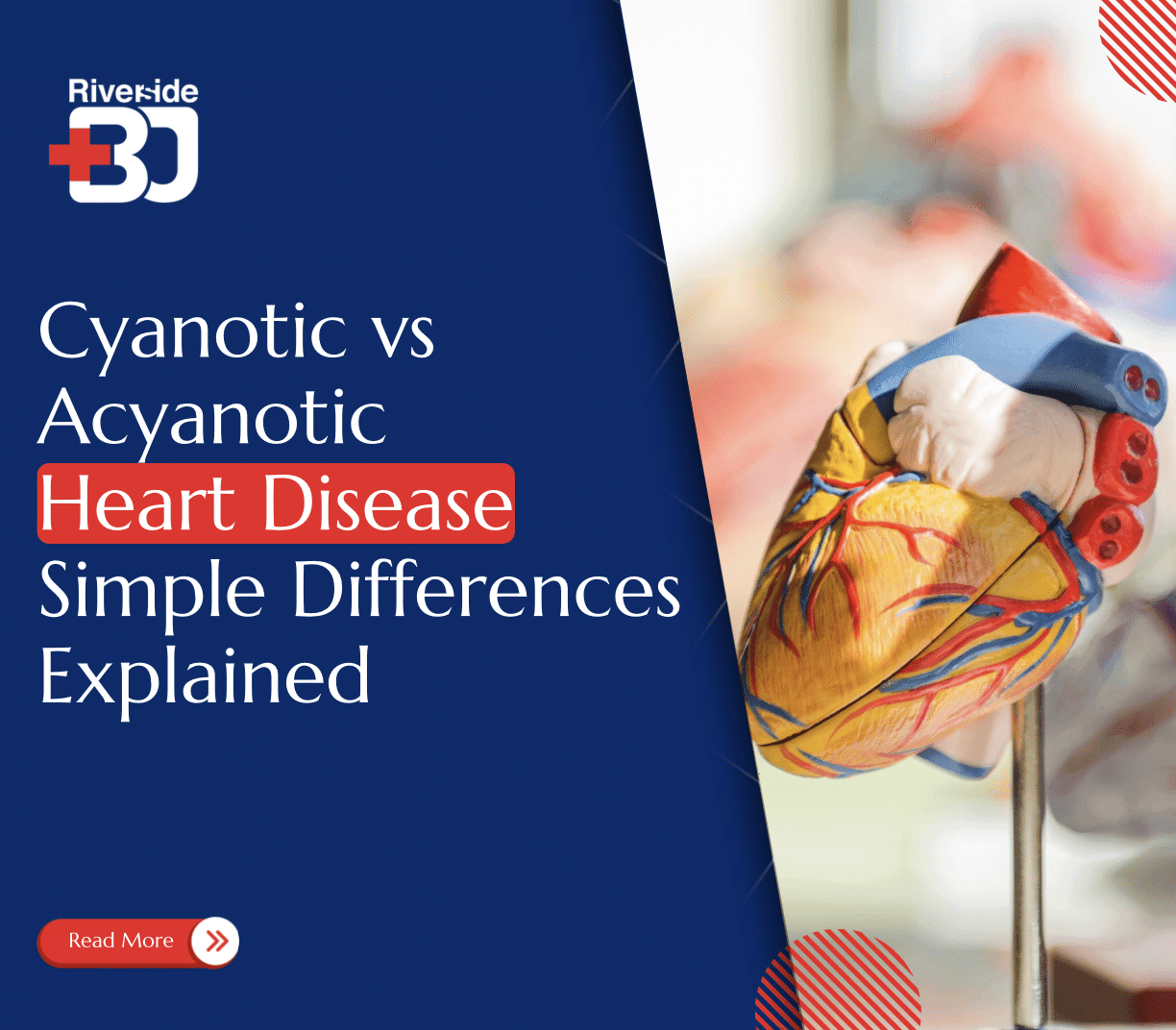
Cyanotic heart disease reduces the amount of oxygen delivered to the body, causing a bluish tint of the skin (cyanosis). In contrast, acyanotic heart disease involves abnormal blood flow without…
A practical guide to recovery, risks, and living well with your deviceCommon pacemaker side effects include temporary pain, swelling, and bruising at the implant site, fatigue during recovery, and shoulder…
Many people believe heart disease shows clear warning signs. In reality, the earliest stages are often silent and can progress gradually. According to medical journal PubMed, cardiovascular diseases remain the…
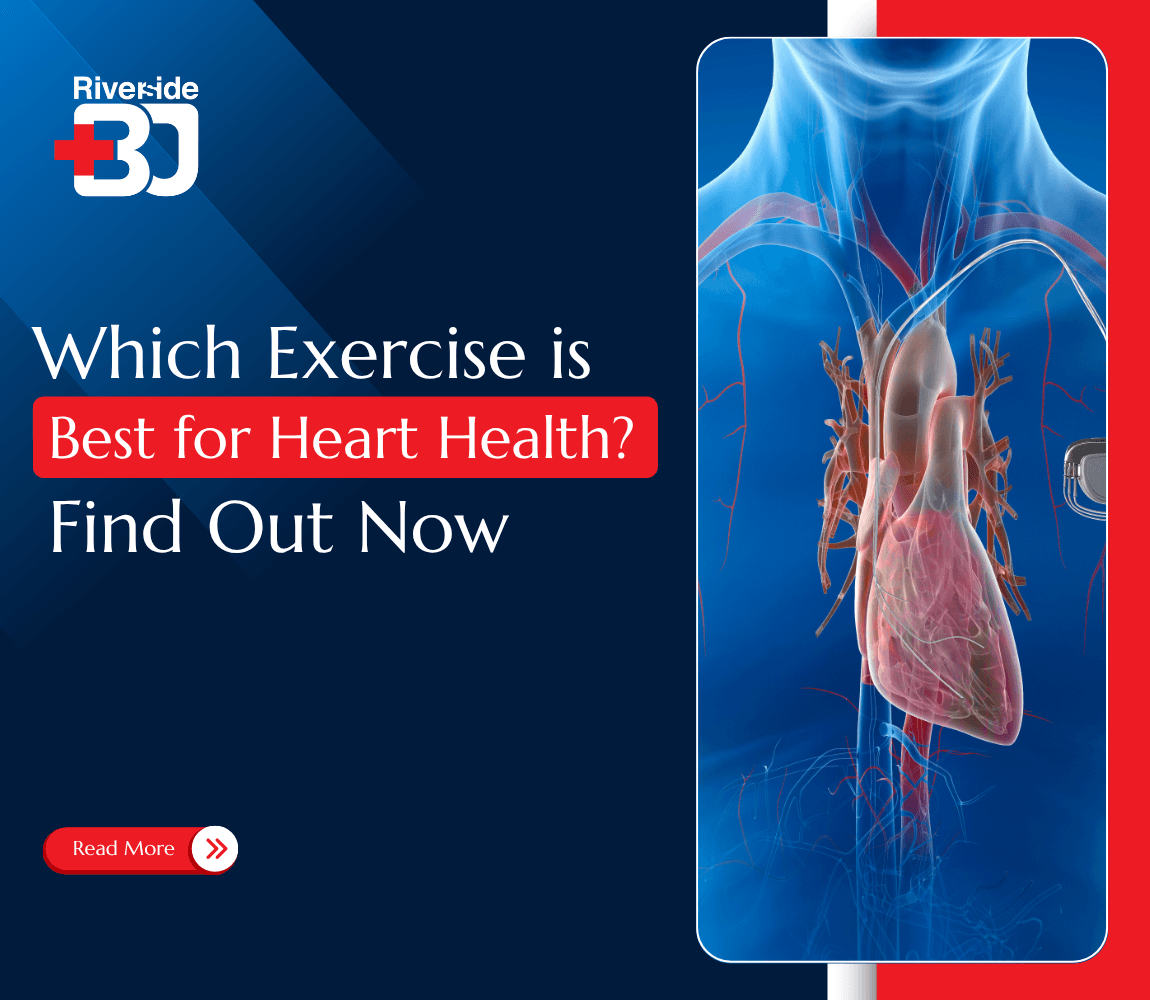
Which exercise is best for heart health isn’t just question; it’s a decision that saves lives. From brisk walks to strength training, not all workouts are equally beneficial to your…
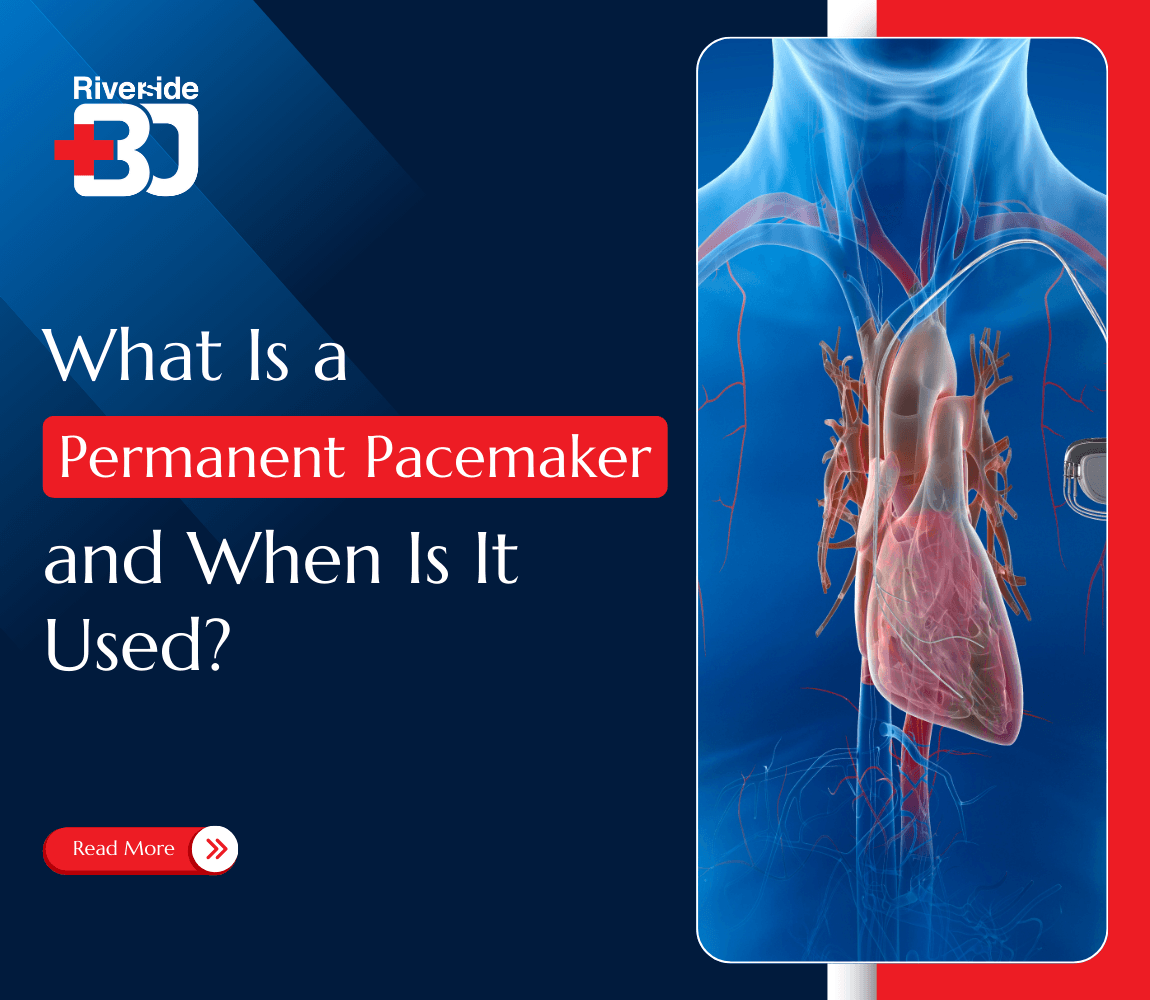
Doctors implant a permanent pacemaker under the skin to regulate abnormal heart rhythms. It assures the heart beats steadily and effectively, reducing complications like fainting or heart failure. Consider these…