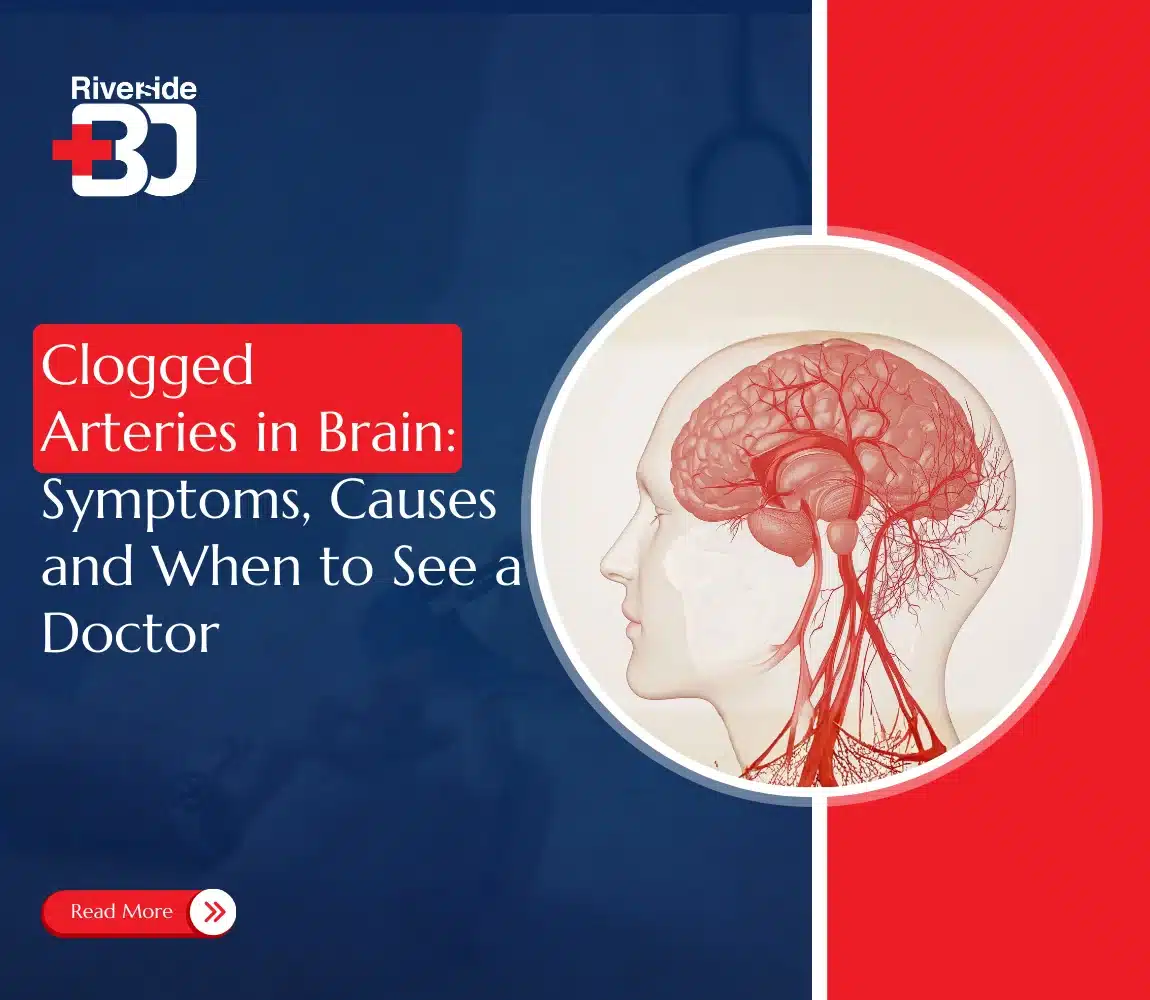
Most of us worry about clogged arteries in the heart. But did you know the arteries supplying blood to the brain can also narrow silently over time without any obvious warning signs?
According to the American Stroke Association, around 87% of all strokes are ischemic, meaning they occur when blood flow to the brain is reduced or blocked due to narrowed or obstructed arteries.
Clogged arteries in the brain often develop gradually because of plaque buildup in the carotid artery or other blood vessels that support brain function. Early symptoms may be brief, subtle, or easily linked to aging or fatigue, which may delay detection.
This blog explores what clogged brain arteries are, key symptoms, common causes, potential risks if left untreated, available treatment approaches, and steps that may help lower long-term vascular risk.
What Are Clogged Arteries in the Brain
Clogged arteries in the brain refer to a narrowing or blockage of the blood vessels that carry oxygen-rich blood to the brain. When these arteries become restricted, blood flow may reduce and affect normal brain function.
This narrowing often develops due to gradual plaque buildup along the artery walls, which reduces the space inside the vessel over time. In some cases, this may involve larger vessels such as the carotid artery, or smaller arteries deeper within the brain.
This condition is medically referred to as cerebral artery stenosis. Symptoms of cerebral artery stenosis may progress slowly, and what many describe as a brain clogged or brain vessel blockage state may remain unnoticed until complications develop.
Clogged arteries in the brain occur when the blood vessels supplying the brain become narrowed or blocked, often due to plaque buildup. This can reduce blood flow, increase the risk of blood clots, and raise the likelihood of stroke.
Let’s gain a clearer understanding of what causes clogged brain arteries, common symptoms, potential complications, available treatment approaches, and practical steps to reduce long-term risk and support brain and vascular health.
Symptoms of Clogged Arteries in the Brain
Clogged arteries in the brain may not always cause noticeable symptoms in the early stages. Some individuals experience subtle, temporary changes, while others only notice symptoms once the blood flow becomes significantly restricted. The type and intensity of the symptoms may depend on how narrow the vessel becomes and which area of the brain is affected.
Below are the common signs that may appear when blood supply is reduced or briefly interrupted.
1. Sudden or Temporary Changes in Movement and Balance
Weakness, numbness, or reduced coordination may occur, often affecting one side of the body. Difficulty walking, balance loss, or a heavy sensation in a limb can appear when blood flow through narrowed carotid arteries becomes limited.
2. Difficulties in Speech or Understanding
Reduced blood flow may cause slurred speech, difficulty forming sentences, or trouble understanding simple communication. These symptoms may appear suddenly and resolve on their own or persist depending on the severity.
3. Changes in Vision
Blurred or reduced vision, double vision, or temporary vision loss may occur, sometimes affecting just one eye. These episodes may indicate reduced circulation through a cerebral artery.
4. Cognitive or Memory Changes
Some individuals notice confusion, slowed thinking, difficulty concentrating, or brief moments of forgetfulness. Over time, reduced blood flow may contribute to progressive changes or raise the risk of long-term atherosclerotic disease affecting brain function.
5. Severe or Unusual Headaches
A sudden, intense or unfamiliar headache may appear in some cases. Many patients ask: can blocked arteries cause headaches? Yes — a blocked brain artery or brain artery blockage can trigger headaches when blood flow becomes significantly restricted. New or unexplained headache should not be ignored.
These symptoms may last only a few moments in some cases. Even brief episodes may indicate reduced circulation or a temporary blockage, sometimes known as a mini-stroke, which can be an important warning sign. If you frequently experience head pain, understanding the difference between a headache vs migraine can help distinguish symptoms that may warrant further neurological investigation.
Causes of Clogged Brain Arteries
Clogged brain arteries often develop gradually over time. In most cases, the process begins when substances such as cholesterol, fats, and calcium start collecting along the inner walls of the arteries. This buildup can narrow the passageway and reduce the blood flow to important brain regions.
Several factors may contribute to this narrowing and increase the risk of artery blockage.
Atherosclerosis
Atherosclerosis is one of the most common causes of narrowing in blood vessels. Over time, fatty deposits can harden and form plaque that restricts circulation. When this occurs in arteries supplying the brain, such as the carotid artery, the risk of reduced blood flow increases.
High Blood Pressure
Long-term high blood pressure can weaken the artery walls, making them more likely to get damaged or thickens, thus contributing to the narrowing. Over time, this may increase the likelihood of plaque accumulation.
To learn more, refer to hypertensive heart disease to clarify how blood pressure affects vascular health throughout the body, including vessels connected to the brain.
Blood Clots
In some situations, a blood clot may form inside an already narrowed vessel and block the blood flow suddenly. This can disrupt circulation and may raise the risk of stroke or long-term neurological changes.
Artery Disease and Stenosis
Some individuals may develop artery stenosis, a condition where arteries shrink due to structural changes or plaque buildup. When this occurs in major arteries or deeper vessels linked to brain circulation, symptoms or complications may develop.
Understanding the overall cardiovascular health can also help build awareness of vascular risk and their early signs.
Explore the key indicators of a healthy heart for a helpful insight into factors linked to artery health.
Complications if Left Untreated
If left untreated, reduced blood flow from the clogged arteries in the brain may interfere with the brain functions over time. As circulation becomes more limited, the risk of long-term damage increases, especially in areas dependent on steady oxygen supply.
Over time, plaque buildup may progress into carotid artery stenosis or narrowing within smaller vessels, which may increase the likelihood of sudden blockages. As narrowing becomes more severe, symptoms may shift from mild and temporary to longer-lasting or disabling.
Some potential complications may include:
- Stroke: A complete loss of blood supply may occur if a vessel becomes fully blocked or a clot forms within a narrowed artery.
- Transient ischemic attacks (TIAs): These short, temporary episodes may act as early warning signs and may increase the risk of a future stroke.
- Cognitive decline: Reduced circulation may impact memory, concentration, and thinking ability over time.
- Mobility challenges: When the areas controlling movements are affected, coordination, balance, or strength may decline.
- Changes in vision or speech: Persistent communication or visual difficulties may develop if circulation remains limited.
Additionally, untreated long-term narrowing may contribute to more advanced atherosclerotic disease which can affect multiple vessels and increase the overall health risks.
As these changes progress, medical evaluation and monitoring become increasingly important.
Treatment Options for Clogged Arteries in the Brain
Treatment approaches can vary depending on how narrow the artery has become, whether symptoms are present, and which blood vessels are affected. The goal of treatment is to support blood flow, reduce any further plaque buildup, lower stroke risk, and manage contributing health conditions.
Following are the commonly used approaches that may be considered in managing the narrowed brain arteries:
Medications and Medical Management
Many individuals can benefit from medications that help prevent clot formation, lower cholesterol, or manage blood pressure.
These treatments support circulation and reduce the progression of plaque buildup. In some cases, medication alone may be enough to help stabilise the condition.
Minimally-Invasive Procedures
When narrowing becomes more advanced, minimally-invasive procedures are considered. These approaches aim to widen the affected artery/arteries and restore the blood flow more effectively.
In some cases, intracranial angioplasty is also recommended.
Surgery in Advanced Cases
If plaque buildup or artery stenosis becomes severe and other treatments are not suitable, surgery may be recommended. Surgical options aim to directly clear the blockage or improve circulation in vessels supplying the brain.
Lifestyle and Risk Factor Support
Alongside medical or procedural treatments, lifestyle measures help support overall vascular health.
Monitoring blood pressure, cholesterol levels, and chronic conditions may reduce strain on the arteries and support long-term brain health.
When to See a Doctor
Seeking medical guidance is important when symptoms begin appearing more frequently, become harder to ignore, or change suddenly. Our trusted neurologist in Navi Mumbai offers expert evaluation for brain artery-related symptoms. Even if the symptoms are brief or they resolve on their own, evaluation can help identify whether an underlying arterial condition may be contributing to the symptoms.
It may also be helpful to speak with a healthcare professional if there are known risk factors such as diabetes, long-term high cholesterol, or a history of cardiovascular or carotid artery disease among close family members.
Also, if the condition requires specialist care, understanding which type of doctor manages evaluation and treatment can be reassuring. Related neurological conditions such as brain infections may sometimes present with overlapping symptoms — our guide on brain infection causes, symptoms, and treatment helps clarify when specialist attention is needed.
To learn more about which expert may be involved, explore neurologist vs neurosurgeon.
Moreover, monitoring symptoms early, especially those involving vision, speech, coordination, or memory changes, may help support the timely assessment and care for clogged arteries in the brain.
Prevention: How to Reduce the Risk of Brain Artery Blockage
Prevention plays an important role in supporting long-term brain and vascular health. While not all risks can be controlled, certain steps may help reduce the progression of narrowing in blood vessels and support healthier circulation.
A combination of lifestyle habits, regular checkups, and awareness of health markers may help lower the risk of conditions related to plaque buildup, artery narrowing, or blocked arteries.
Healthy Eating and Heart-Supportive Nutrition
A balanced diet rich in whole foods helps support cholesterol control and artery health.
Moreover, consuming certain foods can naturally assist in lowering vascular risk and diet-based prevention of blockage of artery and promote healthier circulation.
Cholesterol and Blood Pressure Awareness
Monitoring cholesterol and blood pressure levels can help reduce the strain on arteries and limit further narrowing. Small changes, including nutrition adjustments and regular tracking, may contribute to improved vascular health over time.
For additional guidance, explore how to reduce cholesterol and vascular risk.
Staying Active and Limiting Smoking
Regular physical activities help improve circulation and maintain healthy vessel function. Additionally, avoiding or quitting smoking may help protect blood vessels and reduce the risk of intracranial atherosclerotic changes.
Small, consistent steps over time may have a positive impact on reducing future risks and supporting overall brain and cardiovascular well-being.
Living With Brain Artery Blockage
Living with clogged arteries in the brain often involves regular monitoring, healthy habits, and continued medical follow-up. Staying consistent with prescribed treatments, attending scheduled check-ups, and tracking key health indicators such as blood pressure and cholesterol supports long-term brain and vascular function. Since vascular health affects the heart as well, learning how to avoid a heart attack while sleeping can support holistic cardiovascular care.
Some individuals also benefit from routine physical activity, heart-healthy nutrition, and strategies that lower stress. These ongoing steps help support circulation and the overall neurological well-being.
Conclusion
Recognising the symptoms, understanding their risks, and seeking timely medical evaluation are important steps in managing clogged arteries in the brain and other artery-related brain conditions. Exploring the types of neuro diseases can also help patients understand where clogged brain arteries fit in the wider neurological landscape. With early assessment and personalised care, many individuals maintain independence, routine activities, and long-term neurological stability.
At Riverside B&J Hospital, our neurologists and multidisciplinary team provide diagnostic support, treatment options, and ongoing follow-up for conditions involving narrowed or blocked brain arteries. Care is tailored to each individual, ensuring confidence and clarity at every stage.
Contact us today to schedule an appointment or learn more about clogged arteries in the brain.
FAQs
1) What is the difference between cerebral stenosis and carotid stenosis?
Cerebral stenosis involves narrowing of arteries in the brain, while carotid artery stenosis affects the large arteries in the neck supplying blood to the brain. Both conditions reduce blood flow and increase the risk of stroke, but they occur in different vessel locations.
2) Can clogging in arteries in the brain be reversed?
Can hardening of the arteries in the brain be reversed? In most cases, the hardening of the arteries in the head or brain cannot fully reverse. However, treatment, lifestyle changes, and medical management help slow progression, improve circulation, and reduce complications such as stroke.
3) Is surgery always required for blocked arteries in the brain?
No. Many individuals respond well to medication, monitoring, and risk-factor control. Surgical or minimally invasive options are considered only when blockage becomes severe or symptoms continue despite medical treatment.
4) How serious is a 50 percent blockage?
A 50% blockage is considered moderate. It does not always cause symptoms, but it increases risk of stroke and requires monitoring, lifestyle support, and appropriate medical care.
5) What is the best test for detecting a brain artery blockage?
Tests such as Doppler ultrasound, CT angiography, or MR angiography help evaluate blood flow and identify blocked arteries, narrowing, or reduced circulation in brain vessels.
6) What causes sudden blockage in the brain arteries?
A sudden blockage often occurs when a blood clot forms or travels to a narrowed vessel, stopping blood flow and increasing the risk of stroke.
7) Can lifestyle changes reduce brain artery plaque?
Lifestyle changes cannot remove the plaque already formed., But, they help slow progression and reduce the risk factors such as high cholesterol, high blood pressure, and smoking.
8) Are clogged brain arteries common in young adults?
They are less common in younger adults. However, risk increases with underlying conditions such as diabetes, high cholesterol, or genetic predisposition.
9) Does stress worsen artery narrowing?
Chronic stress influences blood pressure and inflammation, which contributes to vascular strain. Over time, this increases risks linked to artery disease.
